


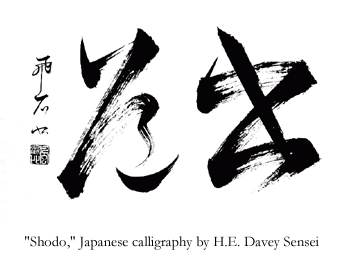
Expanded attention, deeper relaxation, increased focus and resolve . . . shodo students have a chance to achieve lasting spiritual transformation through the classical art of Japanese calligraphy (shodo). Simple step-by-step exercises let beginners and non-artists alike work with brush and ink to reveal their mental and physical state through moving brush meditation.
Kanji, or "characters," used in both Japan and China, have transcended their utilitarian function and collectively can serve as a visually stirring piece of fine art. Shodo allows the dynamic movement of the artist's spirit to become observable in the form of rich black ink. In shodo, you can sense both the rhythm of music as well as the smooth, elegant, and balanced construction of architecture. Many practitioners feel that the "visible rhythm" of Japanese calligraphy embodies a "picture of the mind"--and calligraphers recognize that it discloses our spiritual state. This recognition is summed up by the traditional Japanese saying: Kokoro tadashikereba sunawachi fude tadashi--"If your mind is correct, the brush will be correct."
Some Japanese calligraphers and psychologists have written books on the examination of our personality through calligraphy. Just as Western companies have employed handwriting analysts to help them select the best individuals for executive posts, the Japanese have traditionally expected their leaders in any field to display fine, composed script. This stems from the belief that brush strokes reveal the state of the body and subconscious mind--its strengths and weaknesses--at the moment the brush is put to paper. It has also been held that the subconscious can be influenced in a positive manner by studying and copying consummate examples of calligraphy by extraordinary individuals. Japanese tradition teaches that by using this method, we can cultivate strength of character akin to that of the artist being copied. Since shodo is an art form, it's not strictly necessary to be able to read Chinese characters, or the Japanese phonetic scripts of hiragana and katakana, to admire the dynamic beauty of shodo. Within Japanese calligraphy, we find essential elements that constitute all art: creativity, balance, rhythm, grace, and the beauty of line. These aspects of shodo can be recognized and appreciated by every culture.
Kanji, or "characters," used in both Japan and China, have transcended their utilitarian function and collectively can serve as a visually stirring piece of fine art. Shodo allows the dynamic movement of the artist's spirit to become observable in the form of rich black ink. In shodo, you can sense both the rhythm of music as well as the smooth, elegant, and balanced construction of architecture. Many practitioners feel that the "visible rhythm" of Japanese calligraphy embodies a "picture of the mind"--and calligraphers recognize that it discloses our spiritual state. This recognition is summed up by the traditional Japanese saying: Kokoro tadashikereba sunawachi fude tadashi--"If your mind is correct, the brush will be correct."
Some Japanese calligraphers and psychologists have written books on the examination of our personality through calligraphy. Just as Western companies have employed handwriting analysts to help them select the best individuals for executive posts, the Japanese have traditionally expected their leaders in any field to display fine, composed script. This stems from the belief that brush strokes reveal the state of the body and subconscious mind--its strengths and weaknesses--at the moment the brush is put to paper. It has also been held that the subconscious can be influenced in a positive manner by studying and copying consummate examples of calligraphy by extraordinary individuals. Japanese tradition teaches that by using this method, we can cultivate strength of character akin to that of the artist being copied. Since shodo is an art form, it's not strictly necessary to be able to read Chinese characters, or the Japanese phonetic scripts of hiragana and katakana, to admire the dynamic beauty of shodo. Within Japanese calligraphy, we find essential elements that constitute all art: creativity, balance, rhythm, grace, and the beauty of line. These aspects of shodo can be recognized and appreciated by every culture.


